
Best Of
Re: Equanimity or Masochism?
I think this ultimately comes down to the wisdom of skillful means, a definitive line that applies to everyone in all situations isn't going to work.
That said, I think there is some line between being able to maintain your own composure and peace of mind and extending and sacrificing that to be of benefit to others. If you're destroying yourself in the hopes of helping on the one end or sequestering yourself so you don't get a drop of disturbance to your peace of mind on the other, I feel like the balance lies somewhere between there for different people depending on the situation and their capacity or aims.
I have a regular client I work for who is a ball of stress and catastrophizing. She is wealthy and almost solely looks to manage her stress by manipulating the outside world. She builds a very nice home and life around her and regularly manages things that disrupt that bubble through anger and force. I feel like my working for her has shown her other ways of coping with the world, I've seen her adopt strategies that I use. But I'm ready to be done with working for her as it always bumps up my own stress and anxiety. She knows she's difficult to work with and as such pays well to compensate and she has other positive qualities. Its just like at some point when I start dreading a project starting there and am happy to be moving on when its done, do I really want to continue?
 person
Equanimity or Masochism?
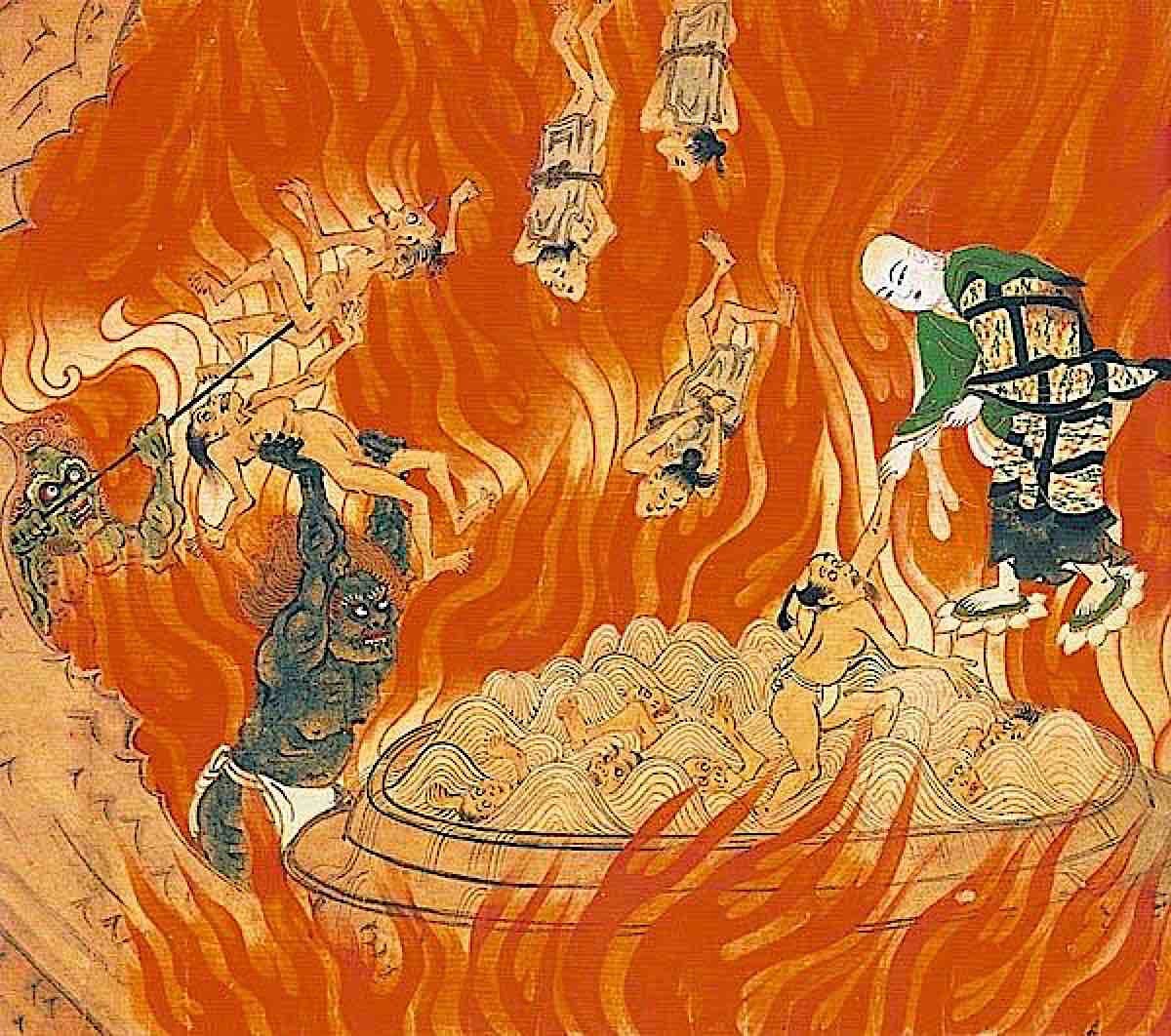
There are people in our lives who — even though they are or have been important to us — exhibit behavior that inevitably causes not only suffering but also becomes a potential disruptor, affecting our day-to-day routine. Like thorns or shrapnel beneath dead leaves, they latch onto us.
Some say they are the ones suffering; that we should remain calm and continue our abiding — being there for them, inviting them to meals, trying to be active with them, etc.
But at what point can one simply allow themselves a break from their presence? I mean, I hold no grudges nor ill will, but continuing to help or assist someone who is clearly manipulating you for their instrumental benefit — all while persisting in the very patterns they’ve been confronted about — feels like folly.
I know that our perception of injustice can be dangerous, as it can create a thirst for revenge or so-called “justice.”
I simply want to live and be surrounded by others who at least show some willingness to enjoy life and not harm or hate others. I know life is full of challenging times and difficult people, but until those arise, I’d rather keep my social sphere and home clean.
When can someone give up and let go? When do we draw the line between maintaining an equanimous mind and fostering a masochistic one?
https://buddhaweekly.com/wp-content/uploads/Buddha-Weekly-Jizo-saves-the-demons-in-hell-Buddhism.jpg
 Kotishka
Re: Truth: the language of the heart
There are 4 Noble Truths. Just about everything else, is subjective opinion.
 federica
Re: Truth: the language of the heart
There's an old Buddhist story of a faithful woman who thought a dog's tooth was a relic of the Buddha. Her faith in it produced miraculous events. I think that has some validity to it, not the miracle just that belief can be powerful.
That's what I mean about semantics of the word truth. Is truth personal belief, or is it something more intersubjective like money or nations, or objective like atoms or the speed of light?
person
Re: Truth: the language of the heart
@Jeroen said:
Instead it occurs to me that truth is something of the heart… it too is mysterious, but even as you know who you love, your heart knows the truth when it hears it. It is like a little silver bell that rings, telling you to pay attention.
So if the little bell telling me to pay attention tells me this doesn't sound true, what does that mean? My intuition says level of conviction isn't correlated with level of validity. But if my intuition is true about that statement then how can it tell me its wrong? Its like what would happen to Pinnochio's nose after he said, "after this sentence my nose will grow."
I think this is mostly semantics about the definition of truth. As Christopher Hitchens claimed, is truth what remains even when you don't believe in it? Or is truth solely in the mind of the beholder? If you see Jesus in a piece of toast its true for you?
person
Re: No Buddhist Quotes
"If you want to control a people, create an imaginary enemy that appears more dangerous than you, then present yourself as their savior."
~Noam Chomsky~
 Shoshin1
Re: Quotes - discussion
Oh ok, no, it’s true that it’s a little more out there for a Buddhist forum, but then we have hosted other things which diverge from Buddhism, like political discussion, activism, talks on psychedelics, psychology, addiction, people’s morning walks, reading habits, family health travails and so on.
But I thought this quote had an interesting double layer to it, that one may smile and yet be a villain capable of murder… you can see it in the conjunction of Putin’s politics and his warfare. Or in Israel’s presence in and mastery of the American news machine and their genocide at home. It seems that it is a highly effective tactic on the world stage.
 Jeroen
Re: Quotes - discussion
@Jeroen said:
Well, the Dogen quote is about how one finds enlightenment through Zen. It’s not quite the same thing as my original statement which was about playfulness. And from the statements of the Buddha, I don’t know if enlightenment actually leads to playfulness, or playfulness to enlightenment.I have posted some pieces of Osho talking about Hotei in the Buddhist Quotes thread, which aren’t actually the one known story about Hotei in the official Buddhist texts but they are more Osho expanding upon laughter as the flowering of spirituality. I thought they were interesting, although Osho also gave a treatment of the one official story.
What comes to my mind when talking about playfulness, amusement, spontaneity in a spiritual context are the many realized teachers who are joyful and funny, not at all sticks in the mud. Or from another map, that of Maslow and the self realized individual. An AI overview:
According to Maslow, self-actualization is the highest level of human need, characterized by traits like autonomy, authenticity, creativity, self-acceptance, a sense of purpose, and the ability to have meaningful relationships. Self-actualized individuals also experience peak experiences and a continued freshness of appreciation for life.
Key characteristics of self-actualization, according to Maslow:
Acceptance of self, others, and nature:
Self-actualized individuals embrace their own flaws and imperfections, as well as the strengths and weaknesses of others and the natural world.
Spontaneity and naturalness:
They are authentic and genuine in their thoughts, feelings, and actions, rather than trying to conform to social expectations.
Problem-centered:
They are focused on solving problems and making a positive impact on the world, rather than being self-centered.
Autonomy and independence:
They rely on their own experiences and judgments, rather than being overly influenced by external opinions or authority.
Continued freshness of appreciation:
They experience a sense of wonder and awe in everyday life, seeing beauty and value in simple things.
Deep interpersonal relationships:
They form meaningful and lasting connections with others, characterized by trust, respect, and empathy.
Sense of humor:
They appreciate the absurdity and irony of life, and have a good sense of humor.
Creativity:
They are original, inventive, and expressive in their thoughts and actions.
Moral and ethical standards:
They have a strong sense of right and wrong, and are guided by their own values and principles.
Peak experiences:
They experience moments of intense joy, ecstasy, and awe, often associated with a sense of oneness with the world.
Resistance to enculturation:
They are not easily swayed by societal norms and expectations, and are willing to challenge the status quo.
Unconventionality:
They are not afraid to be different and to express their individuality.
Gratefulness:
They appreciate the blessings in their lives and are not easily discouraged by setbacks.
Purpose:
They have a sense of meaning and purpose in their lives, and are driven by a desire to contribute to the world.
Self-actualization is an ongoing process:
It is not a destination but a journey of personal growth and development.
Maybe you're talking about something slightly different? You referred to Osho, I'm not that familiar with his teachings, I think I remember something about laughing practice or something along those lines. I don't understand it, so its hard to give an opinion about their validity according to my understanding.
person