
Best Of
Re: Meditation and mental health
The esoteric traditions of dharma, meditation and yoga and most spiritual practice will bring up what Christians call, "The Dark Night of The Soul"
As if we don't have enough to contend with. 
This is when we retreat, go on retreat or retreat into [some of the ways and things others have recommended) 
I recommend in no particular disorder:
- A change of diet
- Massage (if available especially with essential oils)
- Exercise (if possible)
- Therapy, conventional and unconventional
- Nature (as mentioned) actual or virtual
Everything in fact according to need and preference and availability. For example I may go to my local Indian shop and get some stress relief.today:
https://sgrh.com/blog/top-10-ayurvedic-remedies-for-stress-relief-
You might have different availability, maybe Chinese medicine...
The important thing is be flexible and remember you are on a path, not a snake-oil practice.
A break IS part of Dharma. 
https://theculinarycure.com/kristens-cure-all-chicken-soup/
 lobster
Re: Meditation and mental health
If you are close to a forest or countryside it good to wander around there. Connecting with nature does wonders for one's mental health.
 Shoshin1
Re: Meditation and mental health
I have mental health issues and I also adjust meditation durations when I am having symptoms. Shorter sessions. Also walking meditation can be good for depression because it gets the body going. Mindfulness during and between meditations can help you stay in the present and to "be with" difficult thoughts, feelings, and sensations. I like the RAIN exercise that psychologist and spiritualist Tara Brach talks about.
 Jeffrey
Re: Meditation and mental health
@Tavs said:
Recently I've been getting very depressed and anxious, despite all my years of meditation and more recently, mantras and prayers. When I'm actually doing the practice, I feel much calmer but as soon as something appears which bothers me, I'm back to square one. So I don't know if my practice is actually helping my mind or not.
@Tavs
You may find this guided mindfulness meditation helpful
Mark Williams, the Oxford University professor of clinical psychology, he’s best known for co-developing Mindfulness-Based Cognitive Therapy (MBCT). MBCT combines cognitive behavioural therapy (CBT) techniques with mindfulness practices derived from Buddhist meditation. It was designed primarily to help prevent relapse in people with recurrent depression by teaching them to recognise and disengage from negative thought patterns before they spiral.
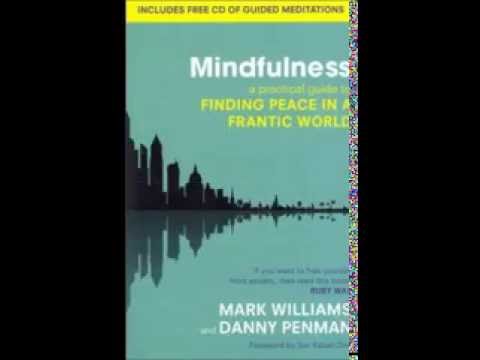
There are 8 guided meditations he will take you through ...
Be well, stay mindful, stay focus, be present. 🙏🙏🙏
Shoshin1
Re: What music are you listening to?
Lila Forde's version of Blind Faith's Can't find my way home 
Shoshin1
Re: Meditation and mental health
Thanks yes, I'll be speaking to a couple of people about it this week.
 Tavs
Tavs
Re: Liberation for all sentient beings
Can you teach non-attachment to views if you are attached to views?
I don't know about that but I do think we can do virtuous things for each other. What is sangha for if that is not the case?
Jeffrey
Re: Liberation for all sentient beings
There’s no quick, easy answer to this. It can depend on the school/sect you are following.
For example, this is a general Mahayana approach, with some reading references attached, but you’ll notice they mention the Tibetan approach as well. From my experience, there’s some reading involved in learning not only the basics of Buddhism, but also where the schools branched off and where there are some different approaches and ways and lanes, many being culturally different and influenced.
What Are The Five Buddhist Paths to Liberation?
https://mindworks.org/blog/what-are-the-five-buddhist-paths-to-liberation/
https://www.ourbuddhismworld.com/archives/1775
https://www.worldhistory.org/article/492/a-short-history-of-the-buddhist-schools/
When you do some reading…or not…What do you think? Do YOU think you could help liberate
Someone else without “finishing”? How do you feel about someone thinking they could help
Liberate you without “finishing”?
 Vastmind