
Best Of

Re: The AI tsunami
It seems Elon Musk’s SpaceX IPO has not gone the way he wanted it to… after peaking at 225 dollars per share, the price is now down to 108 dollars, and it may have further to fall.
That means that xAI, Musks AI company, has near-zero value in the package that is a SpaceX share. Which may have something to do with the fact that federal employees, despite having a license te use Grok (xAI’s flagship LLM Ai), are turning to ChatGPT and Claude instead.
 Jeroen
Re: Good news
Joy helps to save the planet. Just so you know...
https://greatergood.berkeley.edu/podcasts/item/how_joy_helps_save_the_planet

 lobster
Re: The AI tsunami
I watched a series of his videos yesterday. A very noble initiative and wholesome channel. Thanks for sharing.
There was an update: someone from YT did get in contact with him and restored the comments.
@Kotishka said:
I have no words to describe how this is just madness. How can we just dump so much responsibility into AI? Like...seriously...this rush...
Poor man. A quick summary now:
SBSK has been interviewing people with different kinds of ailments and disabilities to share with the world how to make connections with them, learn about those involved in a deeper way beyond their diagnosis, and also provide a platform for people to engage, share comments of support and even tips/advice via the YT comment section. Well, now those comments are gone and without even an explanation. The burnout behind this man is tremendous. Please share your support if you can!
 marcitko
Re: The AI tsunami

I have no words to describe how this is just madness. How can we just dump so much responsibility into AI? Like...seriously...this rush...
Poor man. A quick summary now:
SBSK has been interviewing people with different kinds of ailments and disabilities to share with the world how to make connections with them, learn about those involved in a deeper way beyond their diagnosis, and also provide a platform for people to engage, share comments of support and even tips/advice via the YT comment section. Well, now those comments are gone and without even an explanation. The burnout behind this man is tremendous. Please share your support if you can!
 Kotishka
Re: Just for fun: the random, useless announcements thread!
So chia seeds give it a pudding like texture and if you add a banana to it...wow! My stomach is already enjoying and eating it quite slowly  BuddhaoatZ
Kotishka
Re: What documentary are you watching?
I think I already watched many videos by this or very similar channels and liked them very much. I also very much enjoy videos where they interview old and wise people, they have a similar atmosphere.
marcitko
Re: What documentary are you watching?
This is an example of the films put out by the YouTube channel Reflections of Life, each video is like a meditation on what it means to be human, on nature, on wisdom. Very beautiful, and it is well worth exploring their back catalogue of films…
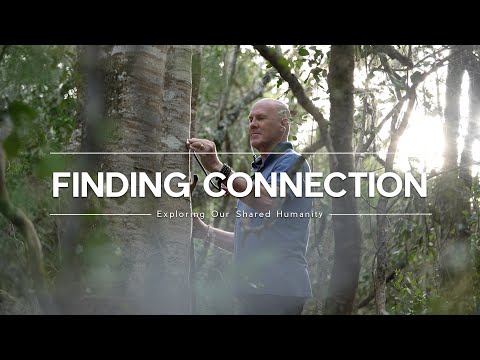
Jeroen
Re: What do you think of modern movies?
Yeah I’ve heard this from others, that it’s a good film for a big screen. But the nearest decent cinema is half an hour away by train, and then there is the walking to and from the stations. I also like to have these landmark films in my collection, and I am a bit of a Christopher Nolan fan, most of his films I have enjoyed.
Jeroen